_1777428355295.webp)
Shaanxi Beiren Satellite Flexo Press: High Overprinting Accuracy for Corrugated Box Pre-Printing
April 15, 2026


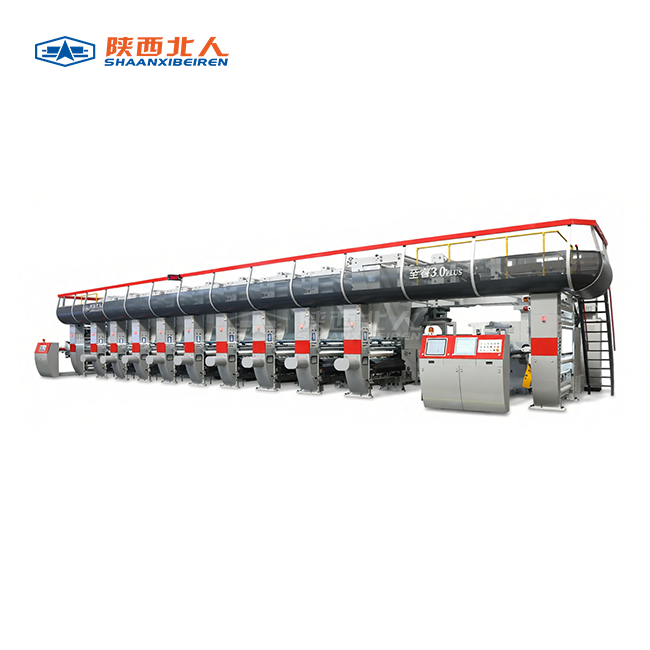
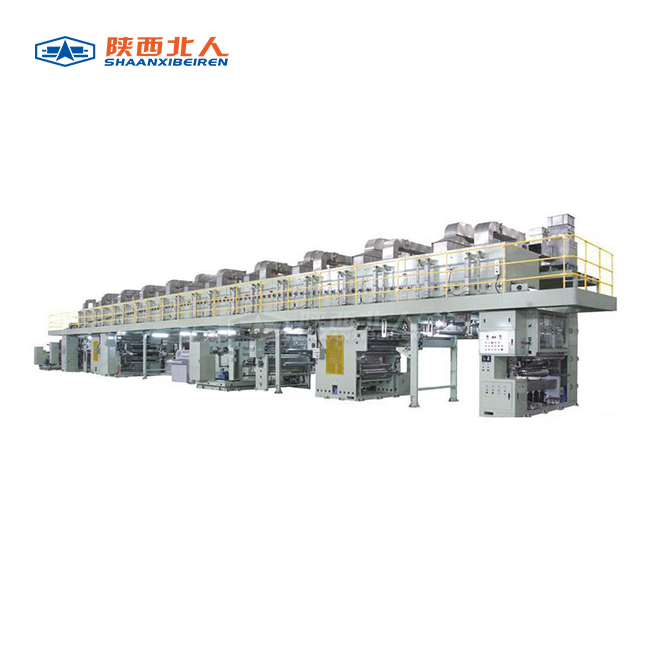
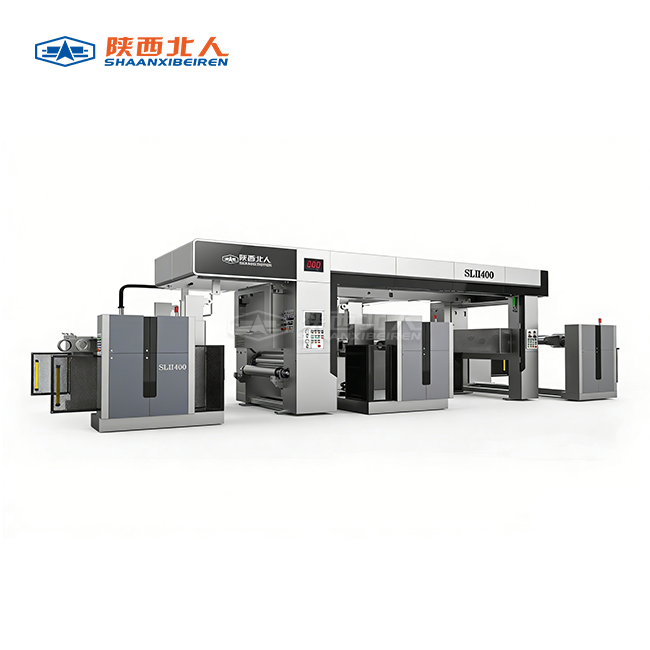
The Shaanxi Beiren Satellite Flexo Press gives you the accuracy you need for perfect registration and consistent color reproduction in your corrugated box pre-printing job, which has a direct effect on your bottom line. This Satellite Type Flexographic Printing Machine is the result of decades of excellent engineering. It combines central impression technology with smart automation to get rid of the registration problems that traditional inline systems have. At high production speeds, our press keeps the overprinting accuracy within +/- 0.1mm. This makes sure that every corrugated box has the bright, clear graphics that help your customers' brands and protect your reputation in competitive markets.

Understanding Satellite Type Flexographic Printing Machines
This new technology, called satellite flexo, changes the way printing pressure and substrate control work during production in a big way. The central impression cylinder is the center of gravity for the whole printing process, and the color stations are set up around it like planets orbiting each other.
Core Architecture and Operating Principles
During the printing sequence, the satellite configuration keeps the web tension constant. Instead of moving from one printing station to another with different tension points, the substrate stays in place against a huge drum that controls the temperature. This drum is usually 1200mm to 1600mm in diameter and weighs several tons. It keeps the substrate from expanding during high-speed runs by keeping its temperature stable.
Around this central drum, each printing unit sets its plate cylinder, anilox roller, and chamber doctor blade system at exact angles. The substrate goes into the press, wraps around the impression cylinder, and gets each color applied one at a time while staying perfectly in place. This constant contact gets rid of the accordion effect that happens a lot in stack-type presses, where web sections between color decks that aren't supported can stretch or shift.
Mechanical Advantages for Corrugated Applications
When compared to film or label work, pre-printing on corrugated boxes has its own set of problems. When used for liner boards, paper substrates can be thicker and less flexible than flexible films. Our satellite design takes these material properties into account by controlling the distribution of impression pressure. The big central drum absorbs vibrations and keeps the nip pressure the same across the whole width of the web. This stops changes in pressure that lead to uneven dot gain or ink transfer that isn't complete.
Modern satellite presses use gearless servo drive technology, which gets rid of the mechanical problems that come with traditional gear trains. Each printing cylinder has its own servo motor, which lets the repeat length be changed indefinitely. This versatility is helpful for getting the most out of the materials you have or making boxes of odd sizes without having to buy new gear sets.
Comparing Shaanxi Beiren Satellite Flexo Press with Other Flexo Printing Machines
To figure out how satellite technology fits into your production plan, you need to look at how it performs differently when compared to other press configurations. We've spent almost 60 years improving our method, and this has shaped how we think about comparative advantages.
Stack Press Limitations in Pre-Print Applications
Printing units are stacked vertically on stack-type flexo presses, and the web moves in an S-shaped path through the machine. With this setup, you can quickly get to each print deck and the mechanical design is simple. However, the fact that web spreads between units are not allowed makes registration harder. When printing on corrugated liner board at speeds faster than 300 meters per minute, even small changes in tension can cause registration errors that can be seen right away in solid blocks or fine line work.
To keep quality high, production managers who use stack presses often have to slow them down during important jobs, which means less work gets done. This trade-off has a direct effect on how much capacity you use and how quickly you can fill orders. This problem is completely solved by our satellite press. The continuous substrate support keeps the registration accurate at the fastest speeds, which are usually between 400 and 500 meters per minute, depending on the weight of the substrate and how fast the ink needs to dry.
Inline CI Press Comparisons
Inline central impression presses set up printing units horizontally around a large impression cylinder, which is similar to how satellite designs work. The difference lies in the specifics of how the work is done, which affects the ease of maintenance and the speed of the switchover. When working with inline configurations, operators often have to work at height to get to higher print stations, which makes setup take longer and routine maintenance more difficult.
Our satellite layout puts all of the printing units at a comfortable working height, which cuts down on the time it takes to switch between jobs and makes things safer. When production directors visit factories, they often say that changeover speed is very important when their order mix includes a lot of job changes. Using quick-release sleeve technology for both the anilox rollers and plate cylinders, the Shaanxi Beiren Satellite Flexo Press can change colors in less than 15 minutes. This cuts down on the time that the press is not working between runs.
Investment Analysis and Operating Economics
When people in charge of money look at investments in capital equipment, they look at more than just the purchase price. They also look at the total cost of ownership. When compared to stack configurations, satellite presses cost more at first, usually 30% to 50% more, depending on the width and color count. This difference is because of the complex servo drive systems and precise machining needed for large-diameter impression cylinders.
But in high-volume settings, the operational savings add up quickly. Waste reduction from accurate first-run registration, faster production, and less maintenance needed because servo drives are simple all work together to give facilities that work multiple shifts a return on investment (ROI) within 18 to 24 months. When our clients in Guangdong and Zhejiang areas switched from stack to satellite technology, they saw an 8% to 12% drop in material waste. This directly increased their contribution margins on every sale.
The following things make it more likely that your business can afford to use satellite technology. Faster changeovers and easier operation mean that less labor is needed because one skilled operator can run the whole press instead of several technicians who need to coordinate the setup. Optimized drying systems that focus heat on the impression drum instead of heating web spans that aren't supported use less energy. Maintenance costs go down because servo motors get rid of the wear parts that come with mechanical gear trains. This means that fewer parts need to be kept on hand and scheduled downtime is lessened.
When your facility handles a lot of order changes or makes short to medium run lengths, where setup efficiency directly affects profitability, these economic benefits become even more appealing. Satellite Type Flexographic Printing Machine technology is the best choice for corrugated box pre-printing businesses that want to stay ahead of the competition through quality and speed. It combines accurate registration with high operational efficiency.
Optimizing Corrugated Box Pre-Printing with Shaanxi Beiren Satellite Flexo Press
To get accurate overprinting every time, you need more than just strong mechanical design. The results of production depend on how well process control systems, preventive maintenance protocols, and skilled operators work together.
Precision Registration Systems
Our satellite press has automatic register control that uses high-resolution cameras at the rewind station to keep an eye on the registration marks. The system can find errors as small as 0.05 mm and sends correction signals to each servo drive, which changes the position of the plate cylinder in real time. This closed-loop control takes into account changes in substrate, temperature, and mechanical wear without any help from the operator.
The surface of the impression cylinder is treated in a special way to keep the friction properties stable. When printing liner board that will be laminated to corrugated medium, it is important that the pattern grips the substrate without leaving marks on the back side. Temperature control circuitry keeps the surface temperature of the drum within ±1°C. This stops the temperature from rising, which would mess up registration during long production runs.
Ink Transfer Optimization
Compared to traditional two-blade doctor blade setups, the chamber doctor blade system on each printing unit is a big improvement. Enclosed chambers stop ink from oxidizing and solvent from evaporating, so the viscosity stays the same during production runs. The carbon fiber chamber construction makes it rigid and protects it from corrosion caused by water-based and solvent-based inks.
The specifications of the anilox rollers have a direct effect on how well the ink transfers and the final print density. During installation, we help customers choose the right cell volumes and screen counts for their typical substrate and graphic needs. To make up for the substrate's higher absorbency, corrugated liner board usually needs more cells than coated paper or film applications.
Maintenance Protocols for Sustained Performance
Systematic maintenance is needed to keep the accuracy of registration over many years of use. Pay close attention to the central impression cylinder. We suggest that you check the surface of the drum once a month for cuts, scratches, or adhesive residue that could cause pressure points. Any flaws on the surface move through the substrate and show up again and again at the drum circumference interval.
How often you clean an anilox roller depends on the chemistry of the ink and the amount of dust on the substrate. Laser-engraved ceramic anilox surfaces keep their cell geometry longer than those that are mechanically engraved or chrome-plated, but they still need to be cleaned with ultrasonic waves every 200 to 300 hours of use to keep the cells from getting clogged. We offer portable ultrasonic cleaning tanks that are made to work with sleeve-mounted anilox rollers. This lets you clean the rollers effectively without having to take them out of your facility.
To keep the accuracy of positioning, the servo motor encoder should be calibrated every three months. Our service technicians can do this calibration as part of regular maintenance visits, or your technical staff can follow the steps we show them how to do during installation training. The process of calibration takes about 90 minutes and stops the registration drift that happens over time as encoder references get less accurate.
Procurement Guide for B2B Clients: Acquiring Shaanxi Beiren Satellite Flexo Press
When you buy precision manufacturing equipment like a Central Impression Flexographic Printer or a Satellite Type Flexographic Printing Machine, you have to work with a lot of different people in your organization, each with their own set of priorities. Our sales and technical support is set up to meet the needs of bosses who are focused on ROI, production managers who are looking at operational impact, engineers who are looking at technical specifications, procurement managers who are looking at commercial terms, and financial officers who are looking at cash flow implications.
Specification Alignment with Production Requirements
In the first technical meeting, you should talk about your web width needs, the number of colors you usually use, your maximum production speed goals, and the range of substrates you can use. Our satellite presses come with working widths ranging from 1200mm to 1800mm, which are the standard sizes for liner board used in corrugated box production. There are between six and ten color stations, but for most corrugated pre-print jobs, eight colors are enough to handle process colors, spot colors, and coatings.
Your drying capacity and the properties of the substrate should match your maximum speed. The mechanical press can go as fast as 500 meters per minute, but the actual speed of production depends on how fast the ink needs to dry. Water-based inks, which are often used in food packaging, need more time to dry than solvent-based systems, which could slow down the process. Based on your ink specifications and substrate basis weight, our technical team does drying calculations to figure out the best dryer configuration for you.
After-Sales Support and Service Infrastructure
Long-term satisfaction with capital equipment purchases is greatly affected by how reliable the support is after installation. Shaanxi Beiren has regional offices in Southeast Asia, the Middle East, and South America as part of its global service network. These offices work with our headquarters in China to provide additional services. Technicians who have been trained by the factory to work in these regional centers know both how mechanical systems work and the basics of the printing process, which determine the quality of the output.
The standard warranty covers the product for 18 months after installation or 24 months after shipment, whichever comes first. During this time, any defective parts or manufacturing flaws will be fixed and technical support will be provided. There are extended warranty programs that cover you for up to five years and include yearly preventative maintenance visits.
A common worry for people who buy equipment from other countries is the availability of spare parts. We keep regional parts distribution centers stocked with wear items and important parts that are specific to the way your press is set up. Usually, it takes between 48 hours and a week to get routine spare parts to places in Asia, the Americas, and Europe. For urgent needs, we offer air freight options that can deliver anywhere in the world within 72 hours.
Financial Structures and Payment Terms
There are different ways to finance equipment depending on where you live and which banks you work with. We work with international experts in financing equipment who know how much printing equipment is worth and can set up loans or leases that will work with your projected cash flow. A 20% to 30% down payment is common, and the rest of the payment is spread out over three to five years.
We offer flexible payment milestones based on manufacturing progress and installation completion for long-term customers or orders with a lot of items. A common structure has 30% due when the order is confirmed, 40% due when the product is tested and approved by the factory, 20% due when it is delivered to your facility, and 10% due when it is installed correctly and the operator training is finished. This method helps you keep track of your cash flow and gives us the working capital we need to finish your project.
Logistics and Installation Coordination
When shipping large-format printing presses internationally, they need to be handled and documented in a certain way. From our facility, we handle the whole export process, from making sure the goods are properly packed to clearing customs and making arrangements with freight forwarders who know how to move heavy machinery. Because we've worked with major shipping lines for a long time, we can offer competitive rates and be sure that vessels will have enough space.
To get your imports cleared at the port of destination, you will need to work with your customs broker to make sure you have all the right paperwork, such as a commercial invoice, packing lists, certificates of origin, and technical specifications for customs classification. We send all the necessary paperwork in a format that meets the needs of the destination country. Installation teams usually get to your facility a week after the press arrives so that they have time to set up and rig the machine before they start integrating the mechanical and electrical parts.
Why Choose Shaanxi Beiren Satellite Flexo Press?
Because our company has been making converting equipment for 57 years, we have the technical know-how to make sure that it works well in your production environment. We've been focusing on web printing and coating technologies since 1967, learning a lot about the challenges of handling substrates, transferring ink, and drying that affect the quality of the output.
Industry Recognition and Technical Credentials
Shaanxi Beiren is the only company in China that is in charge of developing national standards for rotogravure printing machines, and we also lead in manufacturing the Satellite Type Flexographic Printing Machine. As a Wide Web Satellite Flexographic Printer Supplier, this shows how technically advanced we are in the printing industry. Our platform for research and development has a nationally recognized enterprise technology center and postdoctoral research workstations. This infrastructure helps us keep coming up with new ideas for press design and process optimization.
We've gotten more than 360 official patents for new mechanical systems, control technologies, and processes. This intellectual property portfolio shows that we want to improve flexographic printing instead of just copying designs that are already out there. "National Key New Products" designation has been given to several of our press models, which shows that they are both technically advanced and commercially important.
Quality management certifications, such as ISO 9001, ISO 14001 for environmental management, and ISO 45001 for health and safety at work, let outsiders check our production methods and organizational structures. Our electrical and safety systems meet international standards that apply to markets around the world thanks to CE certification for compliance with European market requirements.
Market Position and Customer Base
Right now, our presses are in use in more than 30 countries in North America, Europe, Asia, the Middle East, and South America. More than 4,000 machines have been installed around the world, giving the company a 70% market share in China's high-end printing equipment segment. These numbers show not only how well we've done in sales, but also how well we're known for doing our job, which leads to repeat purchases and word-of-mouth recommendations in the printing industry.
References from well-known flexible packaging converters, label printers, and corrugated box manufacturers show that the product works in the real world. We encourage potential customers to visit installations that are already in use to see our equipment in action and talk to current users about their experiences with it. These factory visits are always helpful for making sure that what the company says on the marketing materials matches what it can actually do.
Service Philosophy and Technical Support
Our approach to technical support is based on quick responses and real-world problem-solving. The service team is available 24 hours a day, seven days a week for urgent issues, and the first consultation is usually resolved in less than two hours. This ease of access is especially helpful when a new product is released or an urgent order needs to be placed, as downtime directly affects customers' plans.
During installation, we give full training to operators that usually lasts a week and includes both classroom instruction on press systems and hands-on operation that includes setup, production management, and regular maintenance. Technical staff can go through advanced training programs that cover servo drive systems, automated registration control, and different ways to fix problems. This sharing of information helps your team get the most out of the press and handle small problems on their own, so they don't have to call outside service as often.
Conclusion
With central impression technology that has been improved over nearly 60 years of manufacturing experience, the Shaanxi Beiren Satellite Type Flexographic Printing Machine (Satellite Flexo Press) gives you the overprinting accuracy you need for high-quality corrugated box pre-printing. Our satellite configuration keeps registration within +/- 0.1mm at production speeds, which gets rid of the problems that stack and inline press designs have with controlling the substrate. When you look at investments, they always show good returns because they cut down on waste, boost capacity, and make operations easier, which means less work for people. Our global service infrastructure and technical support services will make sure that your press keeps working at its best for as long as it's in use, protecting your investment and production commitments.
FAQ
What maintenance schedule preserves registration accuracy?
Damage to the surface of the central impression cylinder must be checked once a month to keep pressure changes from happening. The positioning accuracy is kept up by calibrating the servo encoder every three months. Ultrasonic cleaning of the anilox roller every 200 to 300 hours of use keeps cells from clogging up, which changes the consistency of the ink transfer. These regular steps, along with properly lubricating any mechanical parts that can be reached, keep the registration working well for as long as the press is in use.
Can the satellite press handle variable production volumes efficiently?
Because it can switch between jobs quickly, our satellite press is cost-effective for a wide range of production volumes. Because color changes only take 15 minutes, jobs as short as 5,000 linear meters can be profitable. The press also keeps the quality of long runs over 200,000 meters. Because of this, the same facility can handle both small custom orders and large standard production runs.
How does satellite technology improve color registration specifically?
Tension changes between color stations are eliminated when the substrate is constantly pressed against the temperature-controlled impression drum. Real-time automated register control checks the registration marks and changes the positions of each plate cylinder within milliseconds to account for substrate properties and thermal expansion. This mix keeps color-to-color registration within 0.1mm during production runs, even if the speed changes or the environment changes.
Partner with a Trusted Satellite Type Flexographic Printing Machine Manufacturer
With satellite flexo technology designed for accuracy and dependability, Shaanxi Beiren can help you pre-print on corrugated boxes better than anyone else. We are the best company to work with on your equipment because we have been making things for 57 years, have a global service network, and are dedicated to making sure our customers are happy. We invite production directors, general managers, and technical teams to visit our factory.
During your visit, you can see our presses in action and talk to our engineering staff about your specific application needs. To get customized quotes, detailed specifications, or to set up equipment demonstrations, please email our team at sxbr1967@shaanxibeiren.com. Our technical experts are ready to help you figure out how Satellite Type Flexographic Printing Machine Manufacturer can help your business make more money and be more competitive.
References
1. Flexographic Technical Association. (2021). Flexographic Image Reproduction Specifications & Tolerances. Foundation of Flexographic Technical Association, New York.
2. Johnson, K.R. (2019). Modern Flexographic Press Design: Engineering Principles and Applications. Printing Industries Press, Chicago.
3. Zhang, L. & Chen, W. (2022). Registration Control Systems in Wide-Web Flexographic Printing. Journal of Print and Media Technology Research, 11(3), 187-204.
4. International Corrugated Case Association. (2020). Pre-Print Specifications for Corrugated Packaging: Quality Standards and Testing Methods. ICCA Technical Publications, Alexandria.
5. Mueller, T. (2018). Central Impression Cylinder Technology: Advances in Substrate Control and Print Quality. European Flexographic Industry Association, Brussels.
6. Wang, H., Liu, S. & Ma, J. (2023). Comparative Analysis of Flexographic Press Configurations for Packaging Applications. Packaging Technology and Science, 36(2), 145-162.
YOU MAY LIKE