_1777428355295.webp)
Eco-Friendly Flexible Packaging Rotogravure Equipment for Global Market
April 15, 2026


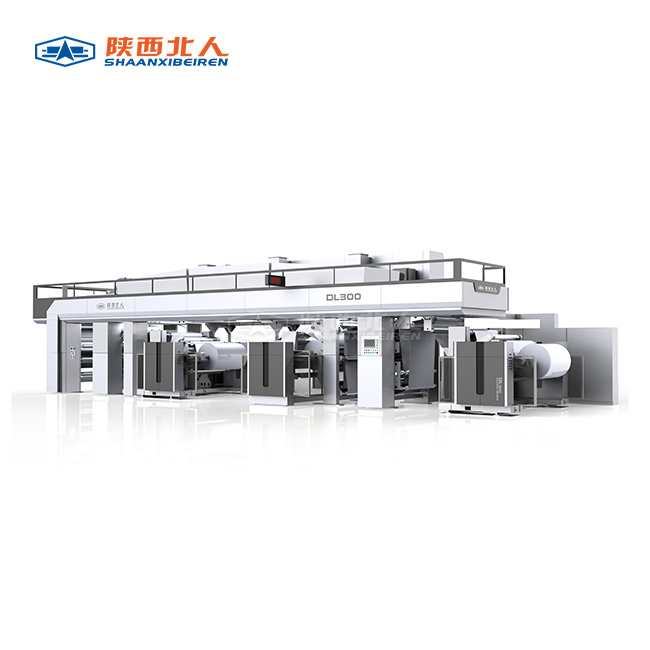
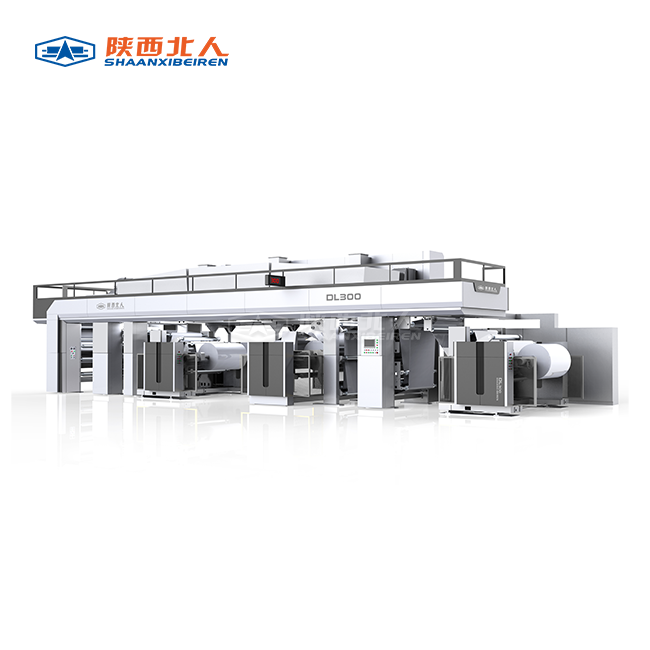
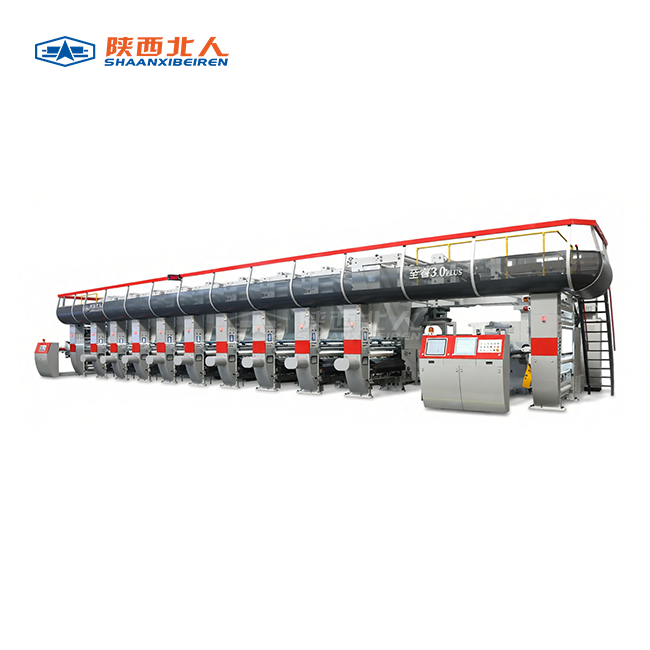
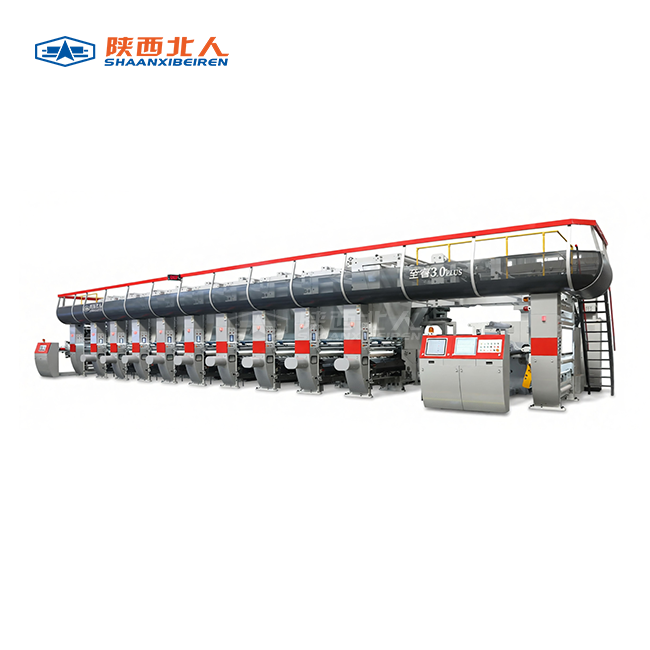
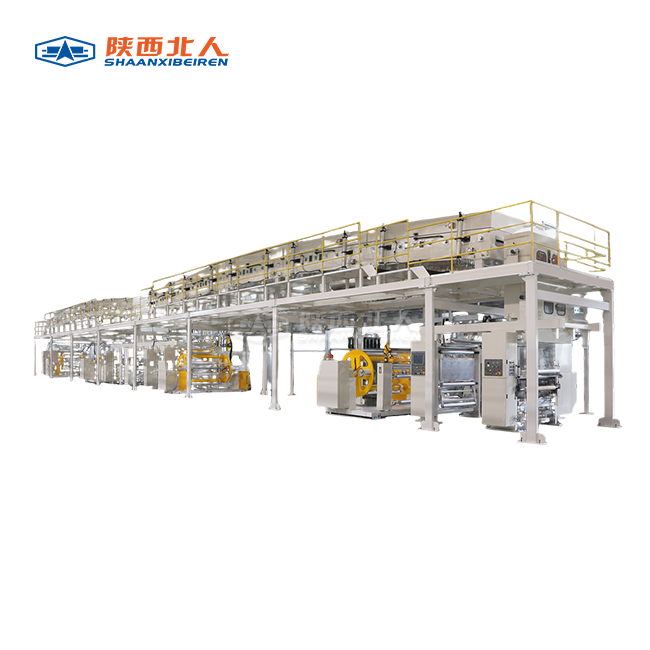
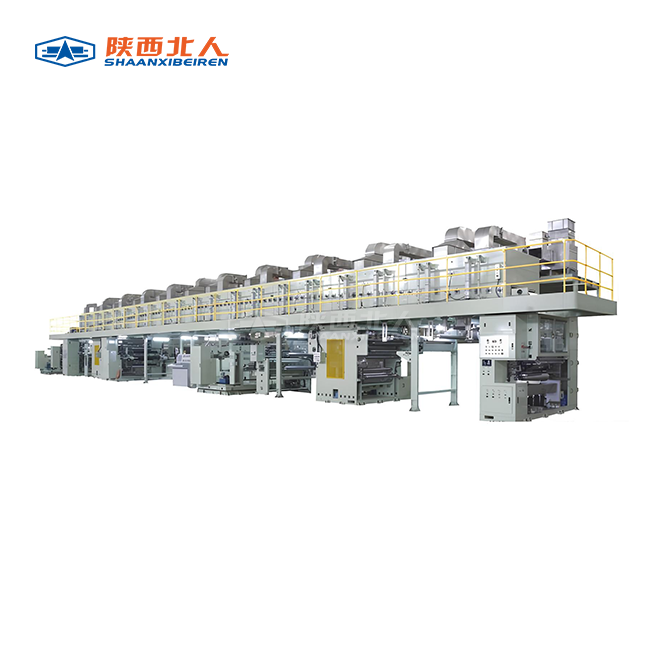
Eco-Friendly Flexible Packaging Rotogravure Equipment is a huge step forward in environmentally friendly printing technology for businesses all over the world that do converting. A Flexible Packaging Rotogravure Press uses precisely engraved cylinders to print eco-friendly inks on films like BOPP, PET, and biodegradable substrates. This produces photographic-quality output while also following strict environmental rules. This equipment fills in the important gap between environmentally friendly production and high-speed production. It lets companies that package food, medicines, and everyday chemicals present their brands consistently across millions of impressions without giving up on their environmental goals or losing money.

Understanding Flexible Packaging Rotogravure Press Technology
A complex intaglio process powers modern Flexible Packaging Rotogravure Press technology. This process has changed a lot to deal with environmental issues. The printing process uses copper-plated steel cylinders with tiny engraved cells that hold different amounts of ink. This makes it possible to print with depth and tone variations that aren't possible with surface printing. As the substrate moves through the press at up to 400 meters per minute, doctor blades carefully wipe off any extra ink from the cylinder's surface, leaving ink in the engraved cells. This ink then transfers directly to the moving web while the temperature and pressure are carefully controlled.
Core Components Driving Print Excellence
Our top-notch rotogravure systems depend on their electronic line shaft drive technology to work well. Instead of mechanical shaft systems, each printing station is controlled by its own servo motor, which gets rid of backlash and makes registration accurate to within 0.1 millimeters. When printing multi-layer structures for retort pouches or pharmaceutical blister packs, where color-to-color alignment is very important for product safety and following the rules, this level of accuracy is very useful. Tension control systems make sure that the web is handled the same way on all materials, from 12-micron PET films to thicker aluminum-coated substrates. This stops distortions that would hurt print quality or waste materials.
Sustainable Ink Systems Redefining Industry Standards
Being environmentally responsible starts with the chemistry of the ink. Water-based gravure inks have come a long way and can now match the adhesion and resistance of traditional solvent formulations. They also release over 80% less volatile organic compounds into the air. Bio-based inks made from renewable resources like soy and linseed oil are safe for food, meet FDA migration standards, and support the ideas of a circular economy.
UV-curable systems don't need any drying energy because the polymers harden right away under LED lights. This lowers operational costs and gets rid of the need for infrastructure for solvent recovery. When packaging converters switched to these greener ink technologies, they cut their carbon footprint by 60% while keeping the wide range of colors and durability that their brand clients want.
Maintenance Protocols Ensuring Operational Continuity
Reliability of equipment has a direct effect on how much money high-volume converting operations make. Chrome-plated printing cylinders need to be checked for wear patterns on a regular basis. These patterns could mean that the doctor blade angles are off or that the ink supplies are dirty. Automatic viscosity control systems make sure that the ink stays the same throughout production runs. This stops color shifts that waste substrate and hurt relationships with customers.
Scheduled maintenance like lubricating the bearings, calibrating the tension rollers, and checking the airflow through the drying system keeps unexpected downtime from happening and breaking delivery promises. When compared to reactive maintenance methods, production teams that use documented maintenance schedules have 40% fewer emergency service calls and major component lifecycles are extended by three to five years.
Benefits and Advantages of Eco-Friendly Flexible Packaging Rotogravure Equipment
Investing in Flexible Packaging Rotogravure Press technology that is good for the environment has measurable benefits in terms of money, operations, and the environment that reach all levels of decision-making. These benefits directly address the main concerns of general managers looking at return on investment, production directors prioritizing equipment stability, and technical teams looking at how well it fits in with current workflows and new material innovations in the future.
Superior Print Quality Across Extended Production Runs
Rotogravure technology is still the only way to get consistent color reproduction over runs longer than 100,000 meters without having to change plates or re-calibrate. The engraved cylinder design makes sure that the same amount of ink is transferred for each impression. This keeps the Delta E color difference below 2.0 from the first meter to the last roll. This consistency is very important for global consumer brands that need all of their production facilities on different continents to make packages that look the same. This reliability is especially helpful for pharmaceutical applications because clear regulatory text and barcodes are directly linked to product tracking and patient safety.
Economic Efficiency for Volume Production
Even though the initial costs of engraving on a gravure cylinder are higher than those of engraving on a flexographic plate, the long life and ability to be used again and again make them a good choice for medium to large production volumes. With the right care, a single set of chrome-plated cylinders can handle millions of rotations without losing its image.
With this level of care, they can often be used continuously for five to seven years. This long life gets rid of the need for expensive plates and setup waste that come with printing technologies with shorter lives. Converting operations that handle more than five million linear meters of material a year usually get 30 percent lower printing costs per unit compared to other technologies. This makes them more competitive and increases their profit margins.
Environmental Advantages Meeting Regulatory Requirements
Here are the main environmental benefits that are driving adoption around the world:
- Reduced Emissions: New drying systems that use thermal oxidizers and solvent recovery equipment can collect and reuse up to 95% of volatile organic compounds. This helps businesses stay in line with stricter VOC rules in places like California and the European Union.
- Energy Efficiency: New presses have heat recovery systems that use the exhaust from the drying tunnel to warm up the air coming in. This cuts the amount of natural gas or electricity used by 40 percent compared to older designs.
- Material Versatility: The technology can work with new biodegradable films and compostable substrates without needing a lot of changes to the tools. This protects the investments in equipment as packaging materials move toward models based on the circular economy.
- Water Conservation: Closed-loop cooling systems and effective ink cleaning methods cut water use by half compared to older equipment, which helps places that have trouble getting enough water for manufacturing.
These environmental performance characteristics not only meet legal requirements, but they also boost brand value when selling to big companies with big sustainability goals. As brand owners look at their supply chains for ways to lower their carbon footprint, environmental credentials of equipment are becoming more and more important in deciding what to buy.
Comparative Technology Assessment
By comparing itself to flexographic and digital printing options, rotogravure shows clear advantages for certain packaging tasks. Flexographic systems can change jobs faster, which is good for making short-run labels, but gravure systems can't lay down as much ink, which is needed for heavy solid coverage or opaque white underprints on clear films.
Digital printing gets rid of the need for expensive tools and allows for variable data printing, but it works at a tenth of the speed of gravure and costs more per impression, making it unaffordable for runs longer than 50,000 meters. Rotogravure has the lowest total cost of ownership while meeting the highest quality standards. This is proven by companies that convert materials for the food and pharmaceutical industries that need standard packaging designs and large volumes.
Choosing the Right Eco-Friendly Flexible Packaging Rotogravure Press for Your Business
To choose the right High Precision Soft Packaging Gravure Printer or other types of Flexible Packaging Rotogravure Press, you need to carefully look at the technical specs, supplier abilities, and pricing plans that work with your facility's current capacity and planned growth. A lot of people usually have a say in this decision, so it's important to use structured evaluation criteria to help everyone agree on what to do. This will help you avoid expensive problems where equipment capabilities don't match up with production needs.
Critical Performance Specifications
Print width capacity is the basic spec that tells you what substrates will work and how flexible your job can be. Standard sizes range from 800 millimeters for label and pouch use to 1,500 millimeters for making heavy-duty industrial bags. Maximum mechanical speed ratings show theorized throughput, but actual production speeds depend on the properties of the substrate and the complexity of the design being printed. After taking into account job changes and quality checks, machines that are rated at 450 meters per minute usually only go 280 to 350 meters per minute when they are in normal production mode.
Registration accuracy specifications have a direct relationship with how well an application works. Pharmaceutical packaging that needs precise overprinting of variable data or security features needs systems that can keep registration within 0.15 millimeters. Less important applications can handle variations of 0.25 millimeters without losing functionality. The drying capacity, which is given in kilowatts per meter of web width, tells you what ink systems will work with your machine and what the fastest production speed is for each combination of substrate thickness and ink coverage.
Evaluating Manufacturer Credentials and Support Infrastructure
When choosing a supplier, it's not just about the specs of the equipment; long-term partnership factors that affect the total ownership experience are also important. Manufacturers that have been in the business for decades usually have larger inventories of spare parts and more technical knowledge than companies that are new to the market. We suggest judging possible suppliers based on these factors:
- Installation and Commissioning: Reputable manufacturers send dedicated technical teams to set up, calibrate, and train operators on how to use the equipment. This usually takes two to four weeks, so your production staff is ready to go when the supplier leaves.
- After-Sales Responsiveness: When technical problems happen, global service networks with regional offices let people help faster. For high-volume operations, equipment downtime can cost more than $5,000 per hour. This is why 24-hour technical support hotlines and fast shipping of parts are so important.
- Technology Roadmap: Manufacturers who are looking to the future invest in ongoing research and development and offer upgrade paths that keep equipment useful as automation and Industry 4.0 features improve. This promise keeps your capital investment from becoming outdated too soon.
Shaanxi Beiren is a great example of these qualities in a manufacturer because we have been constantly coming up with new ideas since our founding in 1967. Our FMS flexible production lines and high-precision testing facilities make sure that every machine is up to strict standards before it is sent out. We keep the technical depth and parts availability that keep equipment running for a long time because we have over 4,000 installations around the world and a 70% market share in China. Our well-known enterprise technology center and postdoctoral research workstations are what keep things getting better, as shown by the fact that we have more than 360 authorized patents and were the leaders in creating four national industry standards.
Financial Structures Optimizing Capital Allocation
Strategies for buying equipment need to take into account both short-term cash flow issues and long-term operational economics. Buying new equipment outright gives you the most control and gets rid of the costs of financing it over time, but it requires a lot of money up front, which could limit other facility investments. Leasing keeps your working capital safe and can include service packages that include parts and maintenance. However, over the life of the equipment, the total payments usually exceed the cost of buying it outright. You can buy used equipment for 40 to 60 percent of the price of a new one. This is a good way for businesses to test the market before committing to new capacity, but buyers take on more maintenance risk and the machines may not last as long.
Total cost of ownership analysis should include how much energy is used, how much you expect to spend on maintenance, how much it costs to engrave cylinders for the products you sell, and how much more you expect to get done than with your current equipment. For financial managers, the time it takes for new eco-friendly rotogravure systems to pay for themselves is usually between 36 and 60 months, depending on how much they are used and how much they improve efficiency.
Optimizing Performance and Maintenance of Flexible Packaging Rotogravure Presses
To get the most out of your Flexible Packaging Rotogravure Press investment, you need to be disciplined about how you use it and follow preventative maintenance protocols that keep the quality of your prints high and cut down on unplanned downtime. Structured approaches to equipment care and methods for continuous improvement help production managers balance goals for efficiency with quality standards.
Preventive Maintenance Best Practices
Systematic inspection schedules are the basis for making sure that equipment works properly. Before each shift starts, the condition of the doctor blades, the cleanliness of the ink system, and the alignment of the tension rollers should all be checked every day. Every week, protocols check the temperature of the bearings, make sure the drive systems are in sync, and measure the airflow through the drying systems. Deep inspections are done once a month to check the printing cylinder chrome's integrity under a microscope, calibrate color measurement tools against reference standards, and make sure the safety interlock works.
Critical component lifecycles help with planning when to replace them. Doctor blades usually need to be replaced every 50 to 80 hours of use, but this depends on how rough the substrate is and how the ink is made. To keep the right nip pressure distribution, impression rollers need to be resurfaced every 18 to 24 months. Servo motor encoders become less accurate over time, so they need to be checked against outside standards once a year to keep their registration accuracy. Facilities that use reactive repair methods have 35% more emergency breakdowns than those that use computerized management systems to keep track of these parts' lifecycles.
Troubleshooting Common Operational Issues
Print flaws are signs of deeper mechanical or process issues that need to be quickly identified to avoid waste of material. Streaks going in the same direction as the web usually mean that the doctor blade is broken or that there is contamination in the ink supply. This can be fixed by replacing the blade and cleaning the filtration system. Mottled or uneven ink density means that the drying capacity isn't right for the production speed and ink coverage. The drying temperature needs to be changed or the production speed needs to be slowed down. Registration drift during production runs is a sign of a problem with the tension control or thermal expansion in the press frame. This needs to be fixed right away to avoid a lot of waste.
Maintaining defect reference guides that connect visual symptoms to likely causes and corrective actions is helpful for production engineers. This institutional knowledge speeds up the process of solving problems and lowers the need for outside technical help with everyday issues. When problems are bigger than what the company can handle, responsive manufacturer support is a must. We have technical hotlines that are staffed 24 hours a day by engineers who have worked with the equipment themselves and can figure out what's wrong through video consultation and, if needed, ship parts within hours.
Performance Optimization Strategies
Beyond maintenance, operational excellence comes from practices that aim to reduce waste and increase throughput through continuous improvement. Real-time production monitoring systems keep an eye on key performance indicators like the difference between the actual speed and the theoretical speed, the length of the setup time, and the rate of quality rejection. This clear data lets production teams find ways to make things better in a planned way, instead of just relying on random observations.
Cutting down on material waste through better setup methods saves a lot of money. Standardizing how ink is mixed, using automated registration systems that cut setup time from 30 minutes to less than 10 minutes, and managing leftover rolls can cut substrate waste by 15 to 20 percent a year. Optimizing energy use by planning production clusters that minimize the number of times that equipment needs to be heated and cooled lowers utility costs and lessens the stress that heat puts on mechanical parts.
Global Market Trends and Future Outlook of Eco-Friendly Rotogravure Packaging Equipment
The flexible packaging industry is at a turning point where consumer preferences, environmental concerns, and government rules are all coming together to change the way Flexible Packaging Rotogravure Press equipment, including the High-Speed Flexible Packaging Gravure Press, is specified and bought. By understanding these trends, businesses can make smart investment choices that will help them stay competitive in markets that are always changing.
Sustainability as Competitive Differentiator
Brand owners are increasingly checking how environmentally friendly suppliers are. Packaging converters that show measurable sustainability metrics get special treatment as suppliers and can get better prices. This forces equipment investments toward technologies that can be shown to be better for the environment. Rotogravure systems with solvent recovery systems that achieve 95% capture rates, heat recovery systems that lower natural gas use, and compatibility with bio-based inks all put converters in a good light in these supplier evaluations.
Emerging biodegradable and compostable film materials create both opportunities and technical challenges. When compared to traditional petroleum-based substrates, PLA-based films and home-compostable multilayer structures need different drying conditions and ink chemistries. As new materials come out faster, capital investments are protected by equipment that can handle them without having to be completely rearranged. Converters can join the growing sustainable packaging market because manufacturers are making equipment with wider operating windows and better process control.
Automation and Digital Integration
With Industry 4.0 technologies, machines go from being separate pieces of equipment used for production to being data-generating hubs in manufacturing ecosystems that are all connected. Modern rotogravure presses have sensors that check hundreds of parameters in real time, such as changes in web tension across the width of the press and the amount of torque applied to each motor. Advanced analytics platforms use this information to figure out what repairs need to be done before they happen, find the best ways to use energy, and connect finished products' quality to the conditions under which they were made.
Automated job changeover systems cut down on setup times and the level of skill needed by operators. This helps manufacturers around the world who are having trouble finding workers. Controls that are based on recipes remember the parameters for jobs that are done over and over again. This means that the print quality is always the same across shifts and operators. Manufacturer technical support can figure out problems without having to visit the site, which cuts down on downtime and support costs. When converting operations buy digitally enabled equipment, the overall effectiveness of the equipment improves by 25% within 18 months of implementation.
Regional Market Dynamics
The demand for flexible packaging is growing mostly in emerging economies, where more people are becoming middle-class and buying packaged foods and other goods. Southeast Asian markets grow by more than 10% each year as domestic manufacturing capacity rises to serve both multinational companies and regional brands. Indian companies that change packaging update their fleets of machines to meet the quality standards needed for export markets. Facilities in the Middle East invest in building up their capabilities to help with domestic food security efforts and lessen reliance on imports.
Established equipment makers with reliable technology, thorough training programs, and quick access to local support infrastructure can take advantage of these growth markets. To do well in these areas, you need to know about the local rules for financing, available technical skills, and how to get them. We've increased our service offerings in these markets by teaming up with freight forwarders who know how to handle imports in the area and keeping technical support staff who speak the local languages to make sure that the equipment works well with everything else.
Conclusion
Eco-Friendly Flexible Packaging Rotogravure Equipment is a smart investment that helps the environment and improves operations at the same time. The better print quality, low cost per unit, and ability to work with eco-friendly materials make Flexible Packaging Rotogravure Press technology ideal for converting operations that need to meet the needs of brand owners and regulatory environments that are becoming more strict.
For implementation to go smoothly, suppliers must be carefully chosen with a focus on long-term support, strict maintenance, and a dedication to practices that promote continuous improvement. As global markets move toward sustainability and automation, rotogravure technology that has been updated with modern control systems and engineering that is eco-friendly can help businesses gain a competitive edge and grow in a way that makes money.
FAQ
Can eco-friendly inks match traditional solvent-based performance?
When made correctly for the substrate, modern water-based and bio-based gravure inks stick to surfaces just as well, are resistant to chemicals, and have vivid colors as traditional solvent-based inks. The important thing is to match the ink's chemistry to the substrate's surface energy and use the right drying profiles. Using aqueous ink systems, food packaging applications regularly meet FDA migration standards below 10 mg/m² of residual solvent. On the other hand, pharmaceutical applications get the print durability needed for sterilization processes.
How does rotogravure compare to flexographic printing for sustainability?
Depending on the needs of the application, both technologies are better for the environment. Rotogravure usually uses less energy per printed unit at high volumes because the cylinder lasts longer, so there is no need to make and throw away plates. For short runs, flexographic systems allow for faster changeovers, which cuts down on setup waste. The best option for you will depend on the types of products you make, how much you make, and your specific sustainability goals.
Should we lease or purchase our next rotogravure press?
This choice depends on your cash flow, taxes, and how you think the equipment will be used in the future. When you want to have the most operational control and the amount of production calls for it, buying the equipment outright makes sense. Leasing lets you save money for other investments and can include maintenance services, but the total costs usually end up being higher over the lifecycle of the equipment than buying it outright. Talk to your accountants about how to compare both structures to your specific financial goals.
Partner with a Trusted Flexible Packaging Rotogravure Press Manufacturer
Advancing your packaging capabilities requires partnering with experienced suppliers committed to your operational success. Shaanxi Beiren brings 57 years of rotogravure innovation and over 4,000 global installations to every customer relationship. Our comprehensive support ecosystem includes 24/7 technical consultation typically responding within two hours, competitive logistics through strategic shipping partnerships, and ISO 9001, ISO 14001, and ISO 45001 certifications ensuring quality, environmental responsibility, and workplace safety.
As a leading Flexible Packaging Rotogravure Press supplier, we combine FMS flexible production capabilities with precision testing to deliver equipment meeting the most demanding specifications. Explore how our eco-friendly rotogravure solutions can enhance your productivity while reducing environmental impact. Contact our team at sxbr1967@shaanxibeiren.com to schedule a personalized consultation and discover equipment tailored to your production requirements.
References
1. Robertson, Gordon L. Food Packaging: Principles and Practice. 3rd ed. CRC Press, 2012.
2. Kipphan, Helmut. Handbook of Print Media: Technologies and Production Methods. Springer-Verlag, 2001.
3. Marsh, Kenneth and Betty Bugusu. "Food Packaging—Roles, Materials, and Environmental Issues." Journal of Food Science 72.3 (2007): R39-R55.
4. Yam, Kit L. The Wiley Encyclopedia of Packaging Technology. 3rd ed. John Wiley & Sons, 2009.
5. Kirwan, Mark J. Handbook of Paper and Paperboard Packaging Technology. 2nd ed. Wiley-Blackwell, 2012.
6. Selke, Susan E.M., John D. Culter, and Ruben J. Hernandez. Plastics Packaging: Properties, Processing, Applications, and Regulations. 3rd ed. Hanser Publications, 2015.
YOU MAY LIKE