_1777428355295.webp)
Industrial-Grade Flexographic Printing Equipment from Shaanxi Beiren Manufacturer
April 15, 2026


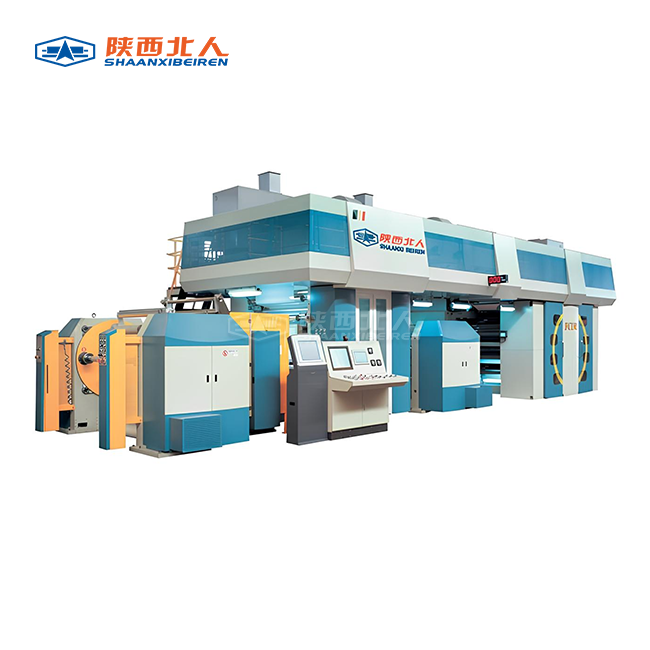
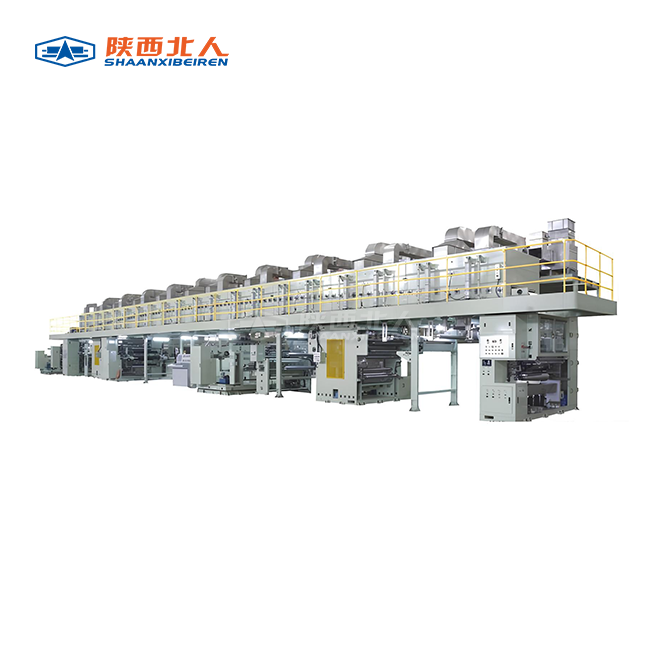
The Flexographic Printing Machine from Shaanxi Beiren is the standard in the business world when it comes to modern printing solutions that are both accurate and efficient. Shaanxi Beiren Printing Machinery Co., Ltd. has been making machines since 1967, which is almost 60 years of experience. They have designed machines that change the way businesses print labels, packages, paper bags, corrugated boxes, food packaging, and non-woven fabrics. Our industrial-grade flexo presses meet the needs of medium and large-scale manufacturers who need reliable, high-output solutions that give them the best return on their investment while still producing high-quality prints. They do this by combining servo-driven automation with environmental compliance.

Comprehending Flexographic Printing Machines: Technology and Benefits
How Flexographic Printing Technology Works?
Flexible photopolymer or rubber plates are mounted on rotating cylinders in a rotary relief process that makes flexographic printing possible. An anilox roller, which is a precisely engraved ceramic cylinder, measures out a controlled amount of ink from the ink fountain to start the process. The measured layer of ink is then moved to the printing plate, which has the picture raised off the page.
A "kiss impression" technique moves the substrate between the plate cylinder and the impression cylinder. This makes a clean transfer of the image onto materials like thin films and corrugated cardboard. Offset printing and gravure printing are very different from this method. Offset printing uses water-ink repulsion, and gravure printing uses engraved cells. Flexography is great at working with non-porous materials like polyethylene, BOPP films, and metallized materials that are hard for other methods to do well with.
Core Advantages for Industrial Applications
Modern flexographic presses have measurable benefits for your business that have a direct effect on your bottom line. The technology lets you print at speeds of more than 150 to 200 meters per minute without lowering the quality. This makes throughput much higher than with traditional letterpress methods. Another important benefit is that our equipment can work with a wide range of substrates, from 12-micron thin films to heavy corrugated board, all in the same production environment.
In today's regulatory world, following environmental rules is not an option. Flexo technology supports water-based and low-migration UV inks that meet strict VOC emission standards. The ability to quickly switch between models, especially servo-driven models, cuts down on setup waste to less than 20 meters, which is a big plus for businesses that have to handle a lot of different short-run orders.
The way Shaanxi Beiren does engineering addresses certain problems we've seen in thousands of installations around the world. Registration accuracy is always emphasized as mission-critical by production managers, and our gearless servo-drive systems maintain positional tolerance within ±0.05mm across multi-color stations.
This accuracy gets rid of the "gear marking" banding problems that happen with older mechanical drive trains. This makes the print more consistent, almost to the level of definition found in gravure, while still keeping the cost benefits of flexo. Die-cutting, cold foiling, and lamination units can be added inline thanks to the modular architecture. This makes the press a complete converting solution instead of just a printing machine.
Substrate Compatibility Across Industries
When you look at substrate applications, you can see how flexible flexographic technology is. Our presses print on barrier films, lidding materials, and multilayer laminates for food packaging. These materials need low-migration inks that are FDA-compliant. Pressure-sensitive stocks, wet-strength papers for beverage applications, and synthetic films for durable goods labeling are all good things that label printing businesses can do. For corrugated box printing, you need to be able to handle differences in board caliper and get solid ink coverage on rough surfaces. Our heavy-duty CI flexo configurations can handle these problems with their optimized impression settings and high-volume anilox specifications.
Why Shaanxi Beiren's Flexographic Printing Machines Stand Out: Features, Performance, and Maintenance
Advanced Automation and Precision Engineering
Fully servo-controlled drive systems in our equipment let each print station run on its own, so there are no mechanical shaft limitations. This architecture without shafts has a number of operational benefits that lead directly to less waste and higher quality. Pre-registration systems make sure that the print stations are almost perfectly lined up before the first substrate goes into the press. This greatly reduces the amount of material that is lost at the start of the job.
Automated pressure adjustment responds in real time to changes in substrate thickness, keeping the optimal kiss pressure without any help from an operator. The built-in order management system saves job parameters for future orders, so ink formulations, registration settings, and speed profiles can be recalled with just one touch.
Quality control mechanisms built into the structure of the press make sure that the output is always the same over long production runs. Vision inspection systems, which can be added as an option, can find all defects at press speed, automatically alerting the operator to issues like color variation, registration drift, or print flaws before they turn into expensive waste. Closed-loop tension control makes sure that the web stress is the same at all stations, which is very important when printing fine details or halftone gradients on film substrates that can stretch. Monitoring the temperature of UV curing systems makes sure that all of the ink polymerizes without damaging heat-sensitive materials.
Maintenance Protocols and Service Infrastructure
Because equipment uptime has a direct effect on how much money your facility makes, we've built serviceability into every system. With a cantilever sleeve-type print unit on our Flexographic Printing Machine, plate cylinders can be completely removed and replaced in less than 15 minutes without affecting stations next to them. Anilox rollers have quick-release mounting systems that make it easy to clean them or replace them when you need to switch ink types or line screen specifications. Tool-free access designs are used in doctor blade chambers so that operators can replace worn blades during scheduled breaks instead of waiting for longer maintenance windows.
Our global service network, which includes strategic partnerships in Europe, North America, Southeast Asia, and South America, makes sure that we can provide quick technical support no matter where the installation is located. The support infrastructure includes spare parts warehouses in different regions that keep critical parts in stock and meet delivery commitments of 48 hours. Technical training programs at our headquarters or at customer sites teach maintenance teams how to diagnose problems and do preventative maintenance that makes equipment last longer. Our engineering staff can access machine control systems, look at performance data, and often fix problems without having to go to the site, which cuts down on downtime.
Proven Performance in Demanding Applications
A company in Zhejiang Province that makes pharmaceutical packaging had trouble making multi-layer booklet labels that met regulatory requirements for being able to read small text. When they got our 8-color CI flexo press with built-in inspection, they cut down on setup waste by 62% and got registration accuracy good enough for 4-point type reproduction. When working with the thin, shape-shifting synthetic stocks needed for waterproof drug labels, the automated web tension control came in very handy. When compared to their old mechanical-drive equipment, their production capacity went up by 40%. This let them take on bigger contracts from multinational drug companies.
Navigating the Purchase: How to Choose the Right Flexographic Printing Machine from Shaanxi Beiren
Matching Equipment Specifications to Production Requirements
Before you can choose the best printing equipment, you need to be honest about how much capacity you need now and in the future. When you look at the production volume, you should not only look at the total number of linear meters, but also the complexity of the jobs. For example, eight-color process work with specialty coatings needs a different setup than three-color spot work. Planning the substrate range is just as important; a press that is best for printing on paper might have trouble with thin BOPP films because of how it handles the web. Print width is another important factor to consider. Buying too much width adds extra costs to the machine, while not enough width means that jobs have to be done more than once or are sent to someone else to be done.
In addition to marketing specifications, technical specifications need to be carefully looked over. When compared to mechanical line shaft designs, servo-drive systems offer better performance but require a bigger initial investment. When setup waste is cut down, changeovers happen faster, and registration holds better over longer runs, the business case gets stronger. The specifications of your anilox roller, especially the line screen capabilities and cell volume, need to match the viscosities of your inks and the thickness of the film you want to make. UV curing systems come in different types, such as traditional mercury vapor, LED-UV, and hybrid. Each has its own benefits when it comes to energy use, substrate compatibility, and upkeep.
Investment Analysis and Return Considerations
Financial decision-makers should carefully look over purchases of capital equipment by using detailed ROI modeling. Payback periods for our typical customer installations range from 18 to 36 months, depending on how much they are used and how much labor costs. The math works out in favor when you figure out how much automation can save you.
For example, a servo-driven press run by two technicians can produce the same amount of work as traditional equipment that needs four operators, which saves more than $150,000 a year in normal wage markets. Cutting down on material waste is a big part of figuring out the return. For example, cutting down setup waste from 150 meters to less than 30 meters per job saves a lot of substrate in facilities that do dozens of changeovers every day.
Shaanxi Beiren's value proposition goes beyond the cost of acquisition to include the total cost of ownership over the life of the equipment. Our strategy for low prices, which is made possible by integrated manufacturing at our headquarters and good supply chain management, gives us a 15–25% cost advantage over European competitors without lowering the quality of our products. Energy-efficient drive systems and optimal curing configurations lower ongoing utility costs, which adds up over the 10 to 15 years that the equipment is in use. We offer a range of flexible financing options, such as lease-to-own plans and equipment loans arranged through our financial partners. These options help you keep your working capital for stock and market growth.
Comparative Positioning Against Industry Alternatives
When purchasing teams look at different suppliers, they often choose well-known European brands along with ours. Even though brands like Bobst and Koenig & Bauer make equipment with strong technology and well-known names, there are a few things that make our equipment different. One of Shaanxi Beiren's main strengths is its ability to customize products.
Our engineering team regularly changes standard configurations to meet the needs of different substrates, specific coating applications, or integration with existing converting lines. Response times for custom engineering questions are usually between 3 and 5 business days, while it can take weeks for larger, multinational companies to get back to you because of the approval processes they have to go through.
Our growing international service network, which is backed up by technical staff in key regions and strategically placed spare parts warehouses, matches or beats what our competitors can do while keeping service prices low. Our relationships with our customers are unique because we commit to training and transferring technology. We see equipment sales, including each Flexo Printing Press, as the start of partnerships, not the end of transactions. Customers get the most out of their investments by getting full operator training, maintenance education, and ongoing application support.
Procurement Process and Support: Buying Flexographic Printing Machines from Shaanxi Beiren Manufacturer
Installation and Commissioning Support
Logistics for delivering equipment use our partnerships with international shipping companies that specialize in transporting large industrial equipment. We take care of the export paperwork, make sure customs rules are followed, and work with receiving facilities to make sure the port clearance goes smoothly. Standard delivery times are 90 to 120 days after an order is confirmed, but urgent needs can be met by speeding up the production schedule. Installation services, which come with most configurations, send skilled technicians to the customer site to put together the mechanical parts, connect the electrical parts, and test the system's first operation.
Commissioning includes more than just installing the hardware. It also includes training the operator and making new apps. Our technical staff works with customer teams to find the best settings for each substrate and ink combination, write down standard operating procedures, and fix any problems that come up during startup. Daily operation, routine maintenance, basic troubleshooting, and safety rules are all covered in training programs. For standard configurations, we usually suggest 5-7 days for commissioning. This time frame can go up to 10–14 days for facilities switching from other printing technologies or complex inline converting systems.
Long-Term Partnership and Continuous Improvement
Depending on the configuration, the warranty covers manufacturing flaws and component failures under normal operating conditions for 12 to 18 months. Service contracts offer more than just warranty periods. They also include scheduled preventative maintenance, faster access to parts, and lower rates for technical support. As part of our customer service philosophy, we encourage proactive communication. For example, account managers check in with customers every three months to see how the equipment is working, talk about ways to make it better, and look for possible upgrade paths as production needs change.
Ways to upgrade technology keep the value of an investment in equipment even as capabilities grow. Most of the time, retrofits like better control systems, more print stations, inline inspection systems, or more automated features can be added to existing press platforms. This modular upgrade method increases the useful life of equipment while gradually improving its capabilities to match the needs of the business as it grows. We keep technical support and parts available for installations that happened more than 15 years ago, because we know that well-kept printing presses are long-lasting assets, not disposable items.
Future Trends and Innovations in Flexographic Printing Machines
Sustainability and Environmental Responsibility
Environmental concerns are quickly adopting water-based inks, solvent-free glues, and curing technologies that use less energy. Increasingly, regulations in developed markets limit VOC emissions and require the use of recyclable substrates, which affects the equipment needed. Shaanxi Beiren's research and development projects put environmental friendliness first in a number of technical ways. Compared to regular mercury vapor lamps, low-temperature LED-UV curing systems use 60–70% less energy and don't produce ozone or need to be thrown away with hazardous waste. Better doctor blade geometries and optimized anilox specifications make it easier for ink to transfer, which lowers the total amount of ink used per printed area.
The circular economy affects how we design equipment all the way through the development process. When individual subsystems reach the end of their useful life, modular construction makes it easier to repair and replace parts instead of replacing the whole system. When choosing materials, it's best to use metals that can be recycled and avoid composites that make getting rid of them after use harder. These commitments to sustainability are in line with what customers want more of, and they also put our equipment in a good position as brand owners use supplier environmental scorecards.
Automation and Digital Integration
Manufacturing intelligence is the next big thing in the evolution of printing equipment. Industry 4.0 ideas, such as predictive maintenance algorithms, automated quality control, and production data analytics, are all part of our current development roadmap for the Flexographic Printing Machine. Sensor arrays built into the press architecture constantly check important factors like bearing temperatures, vibration signatures, impression forces, and ink viscosities. This information is fed into machine learning models that can predict when parts will break down before they actually do. With this proactive method, maintenance moves from responding to emergencies as they happen to planned interventions during planned times of downtime.
Standardized data protocols make digital workflow integration possible between prepress, planning production, and printing. Job specifications go straight from design systems to press control interfaces, so mistakes in entering data by hand are avoided and setup times are cut down. Real-time production monitoring lets operations managers see how the presses are being used, how much is being wasted, and how much is being produced across multiple installations of equipment. This lets them make decisions based on data that will lead to better results. These digital features are especially helpful for businesses with multiple locations that want to standardize processes and get the most out of their assets.
Market Dynamics and Strategic Positioning
Packaging needs have changed a lot because of the rise of e-commerce and changes in what people want to buy. As brands try to target personalized packaging and regional customization strategies, short-run production with a lot of variations is becoming more common. This change in the market likes flexographic technology's ability to quickly switch between applications and its ability to make money at lower volumes than gravure. Rigid containers are being replaced by flexible packaging in the food, drink, and consumer goods categories. This means that printing equipment that can handle film can reach a bigger market.
Shaanxi Beiren's strategic positioning uses our large manufacturing scale, technical know-how, and global service infrastructure to take advantage of opportunities in emerging markets where the packaging industry is growing quickly. Southeast Asian markets, especially Vietnam, Indonesia, and Thailand, have a high demand for new printing equipment. This is because local converters are upgrading their facilities to meet the needs of multinational brands. The Middle Eastern and Latin American markets are both changing because their consumer economies are growing and need higher quality packaging standards. Our low prices and technical performance that matches or beats those of our premium competitors make us a strong choice for cost-conscious but quality-focused converters in these areas.
Conclusion
Shaanxi Beiren's industrial-grade Flexographic Printing Machine offers businesses a great mix of technical performance, operational reliability, and economic value for label printing, packaging printing, and specialty converting needs. With almost 60 years of manufacturing experience, ongoing investments in research and development, and a full global service infrastructure, we are a reliable partner for medium and large businesses that want to increase production capacity, improve print quality, and lower operational costs. The technology meets important needs in the industry, like using different types of substrates, being eco-friendly, being automated, and lowering the total cost of ownership. As the market moves toward shorter runs, eco-friendly materials, and digital integration, our dedication to new ideas makes sure that our customers stay ahead of the competition throughout the lifecycle of their equipment.
FAQ
What substrates can Shaanxi Beiren flexographic presses handle?
The materials our equipment can handle are BOPP, PET, and PE films from 12 to 150 microns, coated and uncoated papers from 40 to 400 gsm, aluminum foil laminates, and corrugated board up to E-flute caliper. Different types of presses can work with different substrates. For example, inline CI models are great for thin films that need precise tension control, while stack-type presses can handle heavier papers and boards. We offer application testing services to make sure that materials specific to the customer work well before committing to a purchase.
How does equipment warranty coverage work for international installations?
Standard warranties cover manufacturing flaws and part failures during normal use for 12 to 18 months from the date of commissioning. Customers in other countries get the same coverage as customers in their own country, thanks to regional service partners and parts distribution networks. You can start a warranty claim by calling our technical support team. They will help you with diagnosis, shipping parts, and dispatching service. There are options for extended warranties and comprehensive service contracts that can cover more and give you a better idea of how much maintenance will cost.
What training and ongoing support do you provide after installation?
Five to fourteen days of on-site training, depending on the level of customer experience, are needed to commission the machine. This training covers operation, maintenance, troubleshooting, and safety procedures. We offer detailed technical manuals, catalogs of spare parts, and maintenance schedules in a number of languages. Access to a technical hotline 24 hours a day, seven days a week, the ability to do diagnostics remotely, and regular follow-up consultations to improve performance are all parts of ongoing support. Our headquarters has advanced training programs that give maintenance teams that handle complex troubleshooting and major service procedures more technical knowledge.
Partner with a Proven Flexographic Printing Machine Manufacturer
Shaanxi Beiren has industrial-grade Flexographic Printing Machine equipment that is ready to help you reach your goals of increasing production, improving quality, and running your business more efficiently. Our competitive value proposition, advanced servo-drive technology, and full global service infrastructure meet all of the needs of production directors, technical managers, and financial stakeholders when they are making decisions.
We can guarantee the dependability of your next piece of equipment because we have over 4,000 installations running around the world and a large share of China's competitive printing market. You can email Shaanxi Beiren Flexographic Printing Machine Supplier at sxbr1967@shaanxibeiren.com to talk to experienced application specialists about your specific needs. To help you make an informed buying decision, we offer factory tours, substrate testing, and thorough ROI analyses.
References
1. Kipphan, H. (2001). Handbook of Print Media: Technologies and Production Methods. Springer-Verlag Berlin Heidelberg.
2. Johnson, J. (2018). The Flexographic Printing Primer. Flexographic Technical Association, New York.
3. Robertson, G.L. (2016). Food Packaging: Principles and Practice (3rd ed.). CRC Press, Boca Raton.
4. Provident Solutions Group. (2020). Global Flexible Packaging Market Analysis and Forecast 2020-2027. Industry Research Report.
5. International Organization for Standardization. (2013). ISO 12647-6: Graphic Technology — Process Control for the Production of Half-tone Colour Separations, Proof and Production Prints — Part 6: Flexographic Printing. Geneva.
6. TAPPI (Technical Association of the Pulp and Paper Industry). (2019). Modern Flexographic Printing Technologies and Applications. TAPPI Press, Atlanta.
YOU MAY LIKE